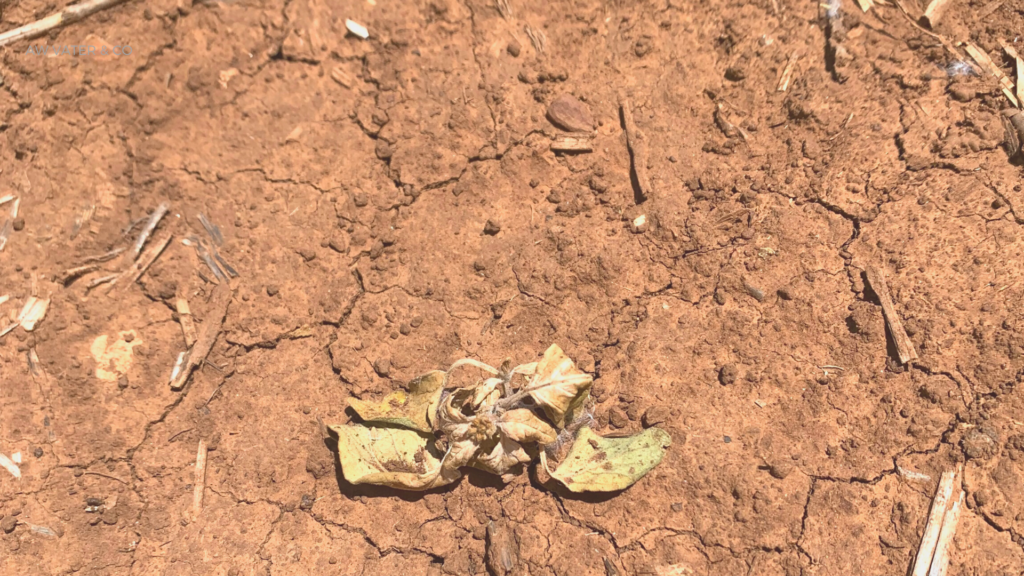
Are you frustrated by summer weeds? We are too. They suck moisture and nutrients, can be hard to control, and usually reoccur if not managed properly. The season just gone was a perfect example of the benefits of summer spraying and retaining moisture.
Here’s a list of 15 common pesky suspects we find in our areas this time of year and what you can use to control them in your paddock.
** Just remember, this is based upon broadacre spraying situations, and these are rough guidelines. Speak to your agronomist for a complete brew to knock out the weeds specific to your paddock and for relevant plant backs.
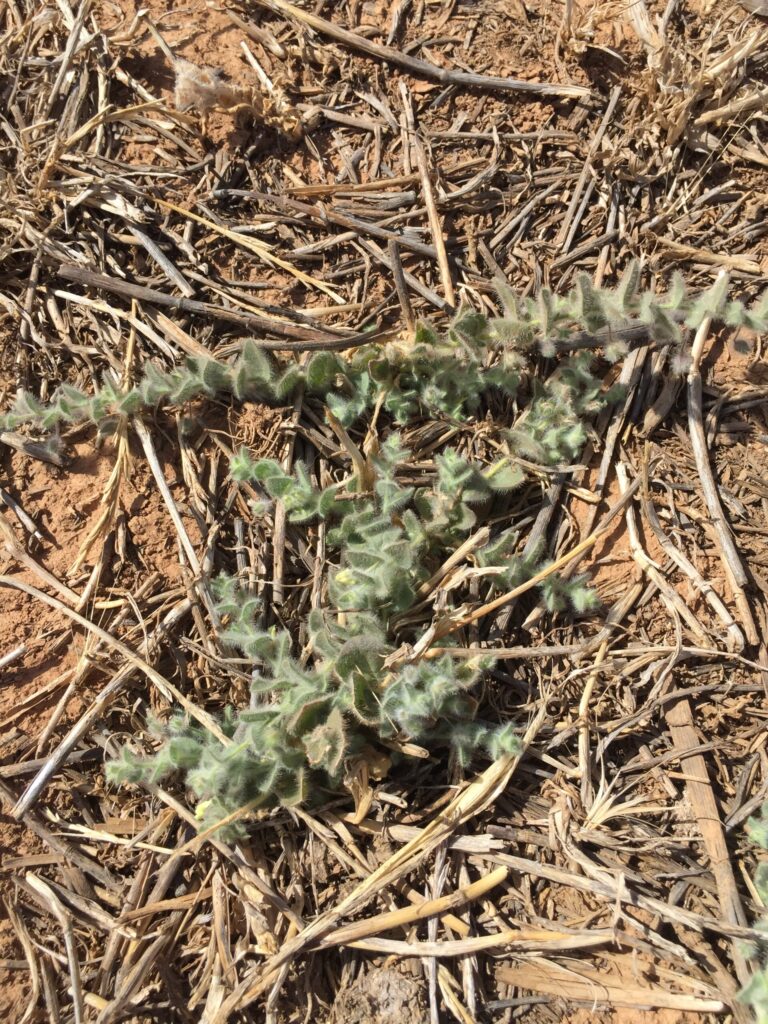
1. Blanket Weed
Also known as:
Twinning Toadflax
Description:
Can grow up to 1m in diameter with dense, hairy leaves, becoming smaller towards the ends of branches. Flowers, pea-like flowers with basal spur.
Control:
Good rates of Glyphosate or Ester with a Group 14 (G) spike and the addition of an oil to help get the actives onto the leaf surface.
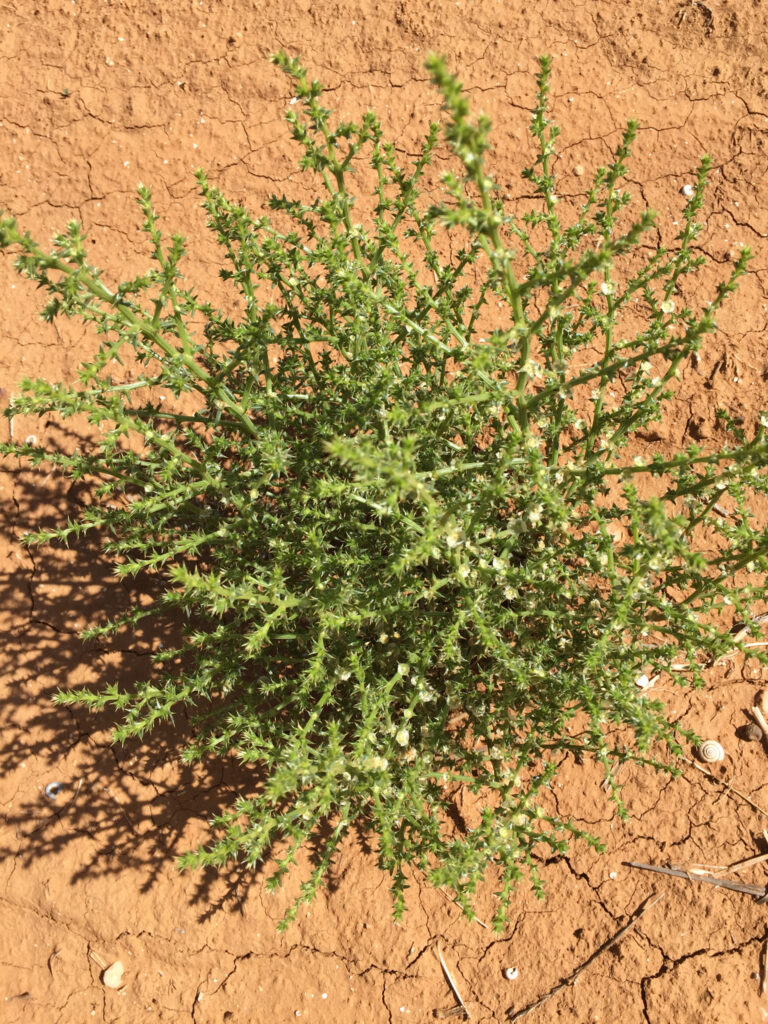
2. Buckbush
Also known as:
Roly-Poly
Description:
Can grow upright or spreading, to 70cm high, with generally hairless, rigid, cylindrical & linear leaves ending in a prickly point. Flowers are white, small and occur singularly in leaf axils.
Control:
Use good rates of Paraquat* (Gramoxone) (*requires S7 license) on small plants or high rates of Amine 625 with an oil on larger plants. The addition of Metsulfuron (Ally) will help with residual control. Ensure coverage is excellent for larger weeds, slow down your ground speed and increase water rates.
3. Caltrop
Description:
A sprawling, ground-hugging plant that can grow up to 2m in diameter. Leaves on stems are opposite, consisting of 4 to 8 pairs of oblong leaflets with a slightly pointed apex, with bright yellow flowers that turn into hard, very prickly seeds.
Control:
Glyphosate will work well on small plants with Metsulfuron to stop later germinations.
4. Clammy Goosefoot
Also known as:
Small Crumbweed or Mintweed
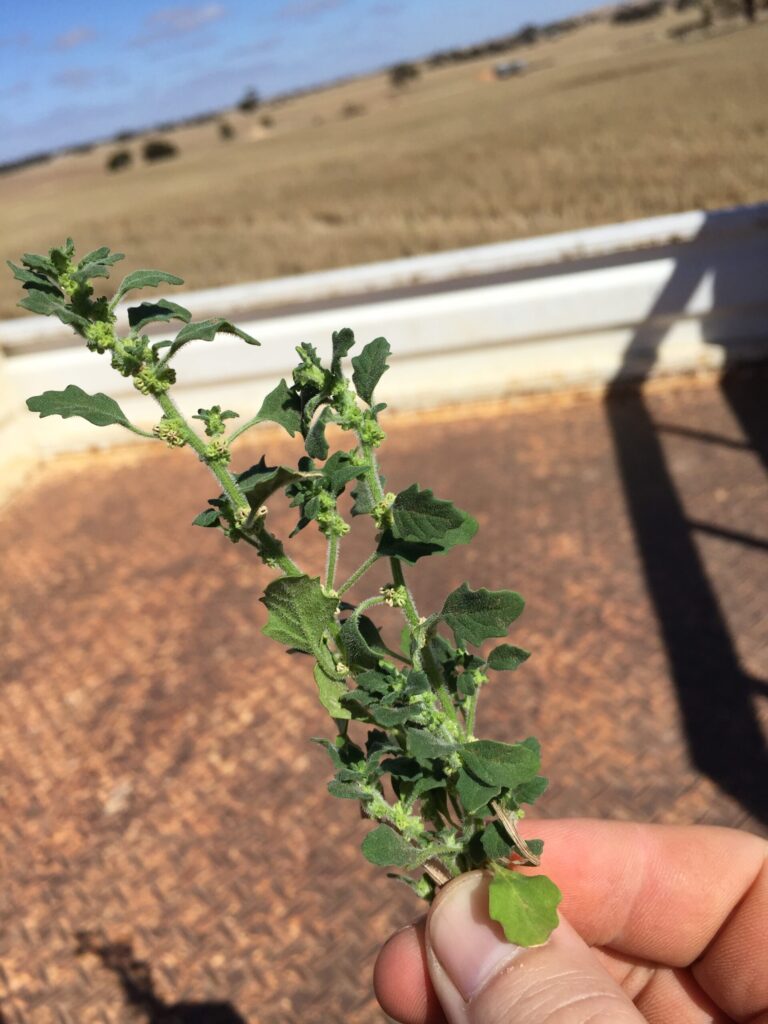
Description:
It can grow up to 50cm long, with alternate leaves that are oval, have a rounded apex, lobed, and long petiole. Flowers are very small, green clusters.
Control:
Glyphosate and/or a 2,4D product.
5. Fat Hen
Also known as:
Lamb Quarter, Pig Weed
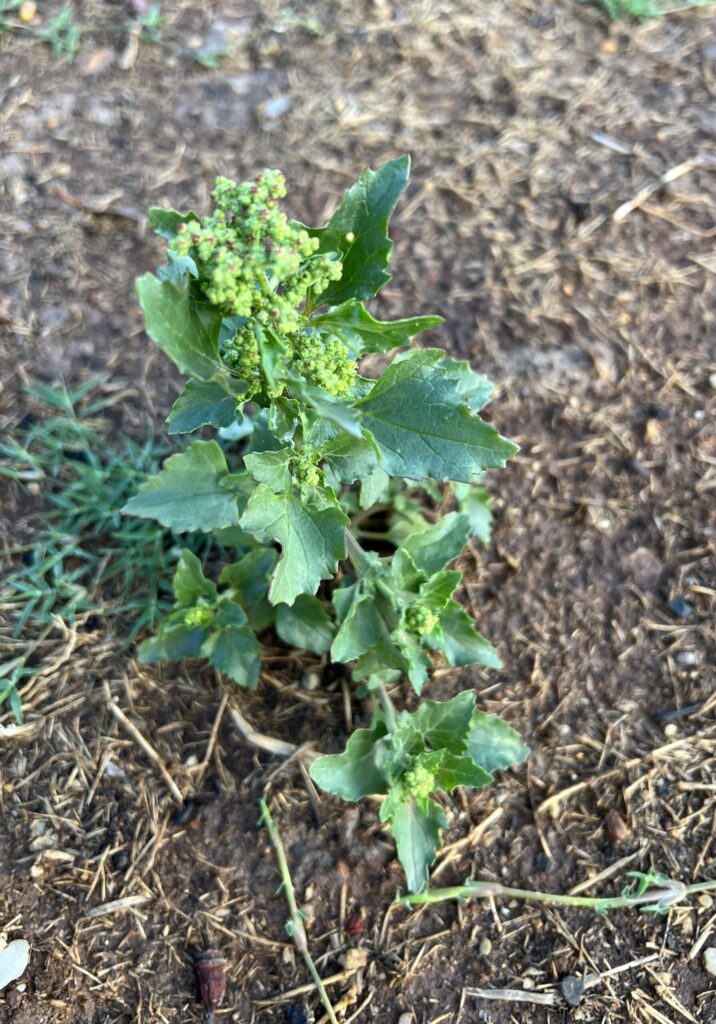
Description:
Can branch out to 1m, with mealy white, roughly diamond-shaped leaves with wavy to toothed margins. Mealy white flowers are clustered along branched spikes at the ends of branches.
Control:
Good rates of Glyphosate and/or Amicide with an oil.
6. Flaxleaf Fleabane
Height:
Can grow up to 70cm tall
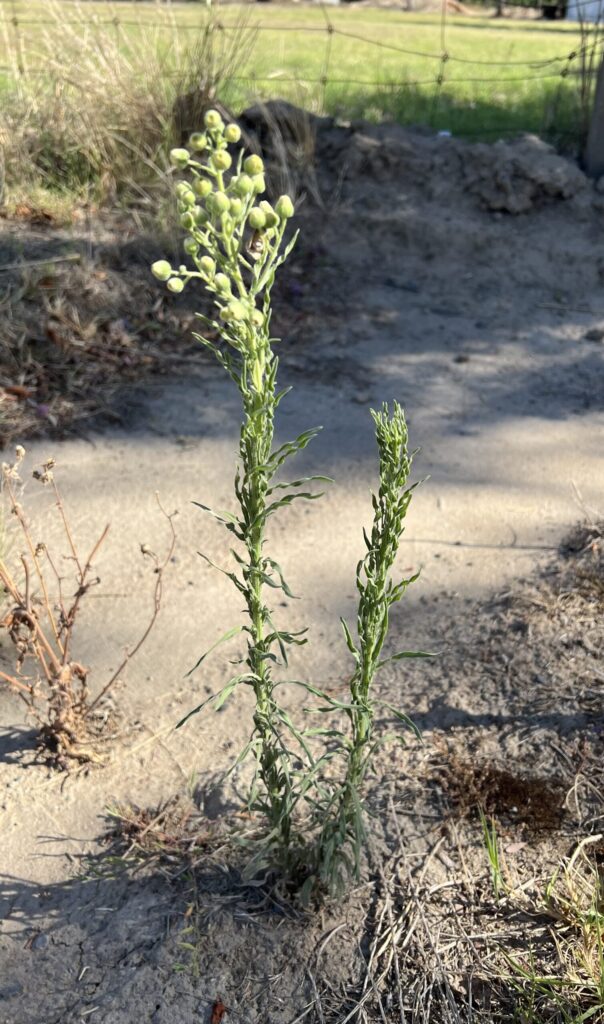
Description:
Tall stems up to 1m in height that are covered in thin leaves that are grey-green, deeply indented, coarsely toothed, and covered in fine hairs. Flowers are terminal, pyramid-shaped clusters with white to pale pink hairs.
Control:
It is a hard one to control; make sure to get on to it when plants are small with good rates of Glyphosate with the addition of Ester. Metsulfuron can help with seedlings coming up. Double-knocking is critical with this weed. In ideal conditions with small, freshly growing plants, adding a Group 14 herbicide will increase control.
7. Horehound
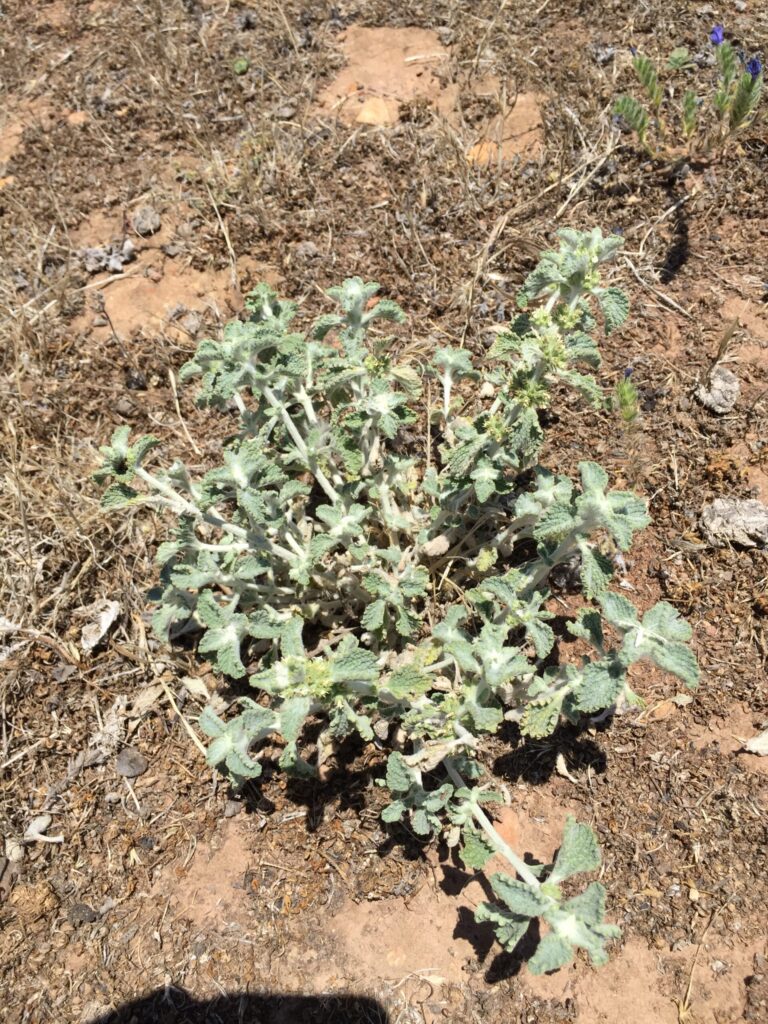
Description:
Can grow up to 80cm tall, plants are bushy, coarse and strongly aromatic, with pale green blunt-toothed, broad, wrinkled leaves covered in white hairs. The flowers are white and also have small brown burrs.
Control:
Good rates of Glyphosate with the addition of Ester. Metsulfuron can help with seedlings coming up. Repeat applications may be needed as it is a hard one to control.
8. Marshmallow
Also known as:
Small Flowered Mallow
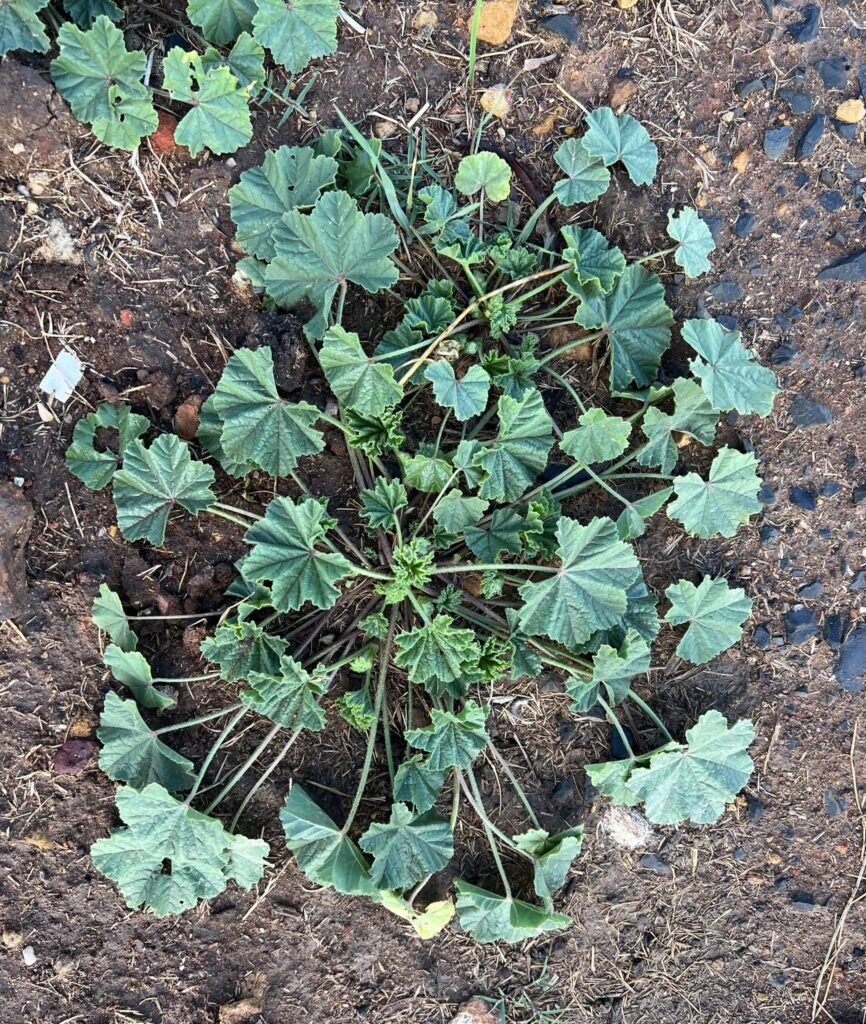
Description:
Dark green, large alternate leaves with wrinkled, round with 5 to 7 broadly scalloped lobes on long stems. Woody at the base. Has small clusters of pink or white flowers.
Control:
Good rates of Glyphosate with a Group 14 spike. Group 14’s (old Group G) are very strong on Marshmallow. With large plants, the addition of Ester will help improve control.
9. Melons
Pictures:
Top – Paddy Melon
Bottom – Afghan Melon
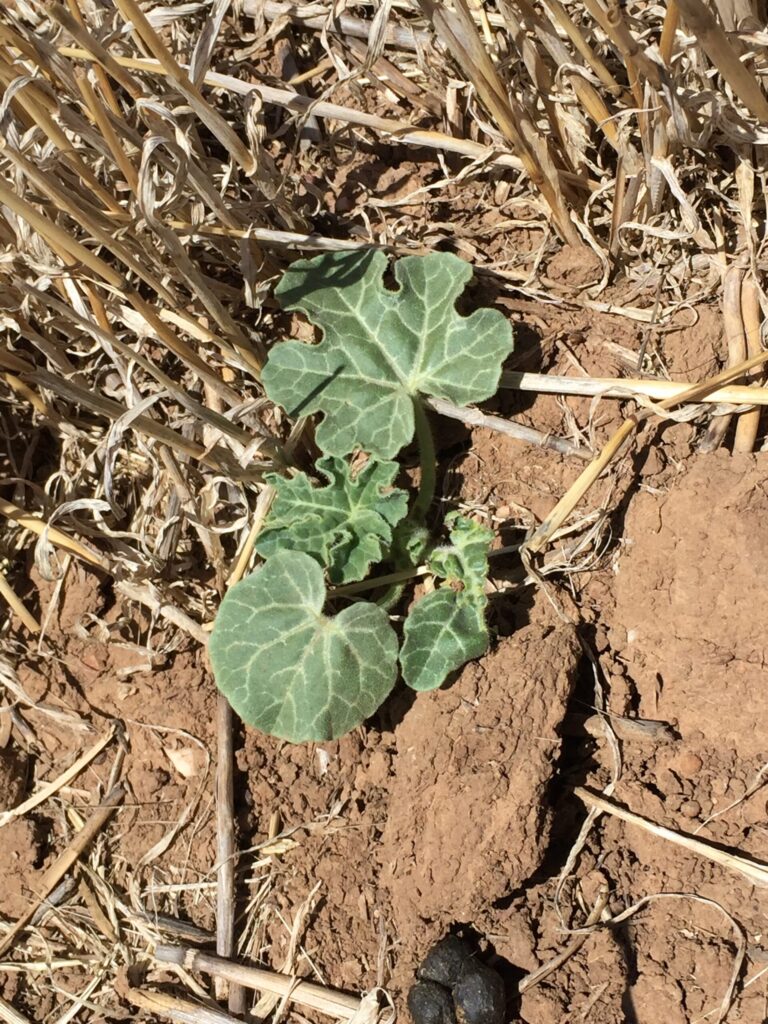

Above photo: agric.wa.gov.au
Description:
Sprawling plant that can grow to 2m or more in length, with large triangular, with a pointed apex, toothed and deeply lobed, yellow flowers and fruit that can grow the size of a cricket ball or larger.
Control:
Melons are best controlled with Triclopyr (Garlon).
For Afghan melons, Amine is a better mix partner than Ester.
10. Potato Weed
Also known as:
Common Heliotrope
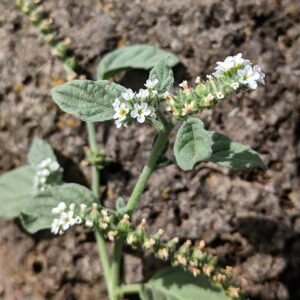
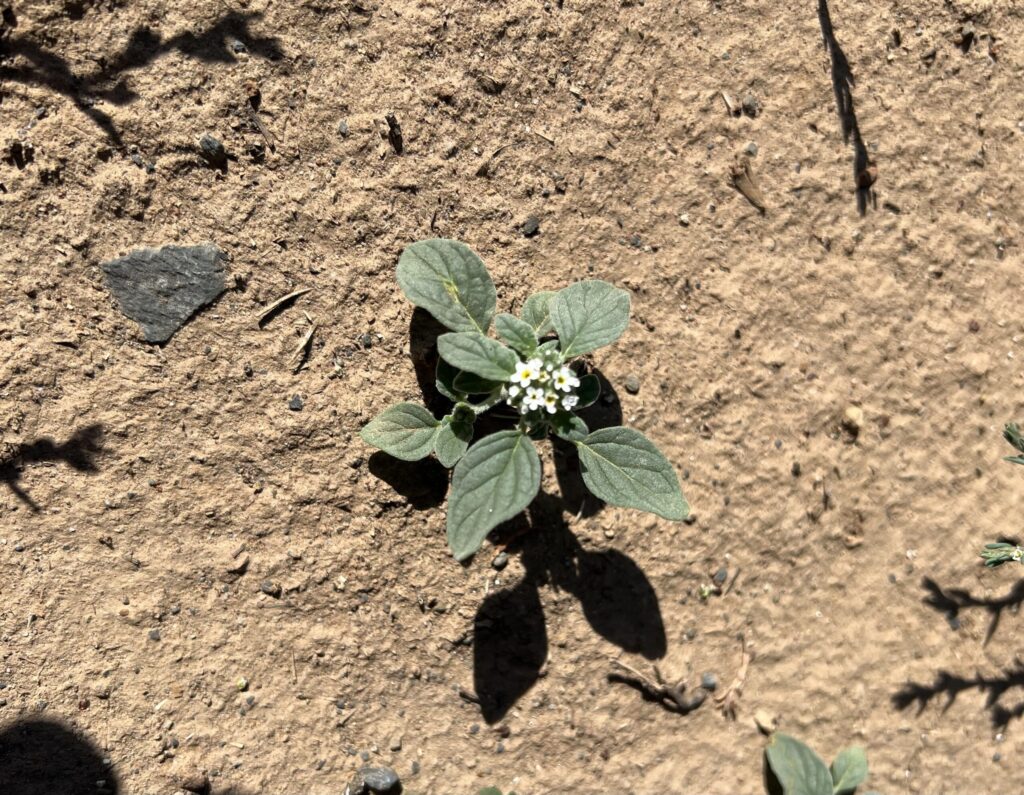
Description:
Can grow to 30 – 50cm high, with dull green, egg-shaped alternate leaves with short hairs on both surfaces and small white flowers.
Control:
Good rates of Glyphosate or Paraquat on older stressed plants. We’re currently seeing that a spike of Terrad’or is smoking plants too.
11. Silverleaf Nightshade
Also known as:
Tomato Weed
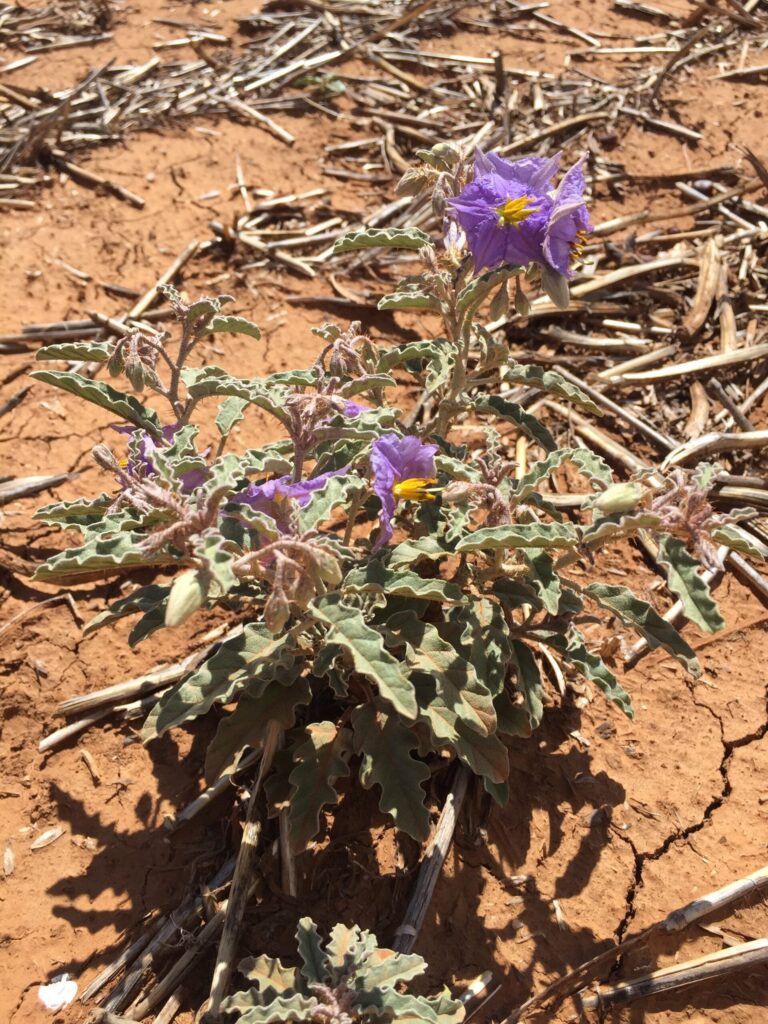
Description:
Can grow to 40-60cm tall, prickly stems with silver-green spear-shaped, leaves covered in dense hair on both surfaces. Leaf margins are scalloped and undulating. Violet flowers in colour with a bright yellow centre, turning into yellow berries.
Control:
Good rates of Glyphosate and Ester with an oil. Tordon 75D & Starane are also effective.
12. Blackberry nightshade
Also known as:
Tomato Bush
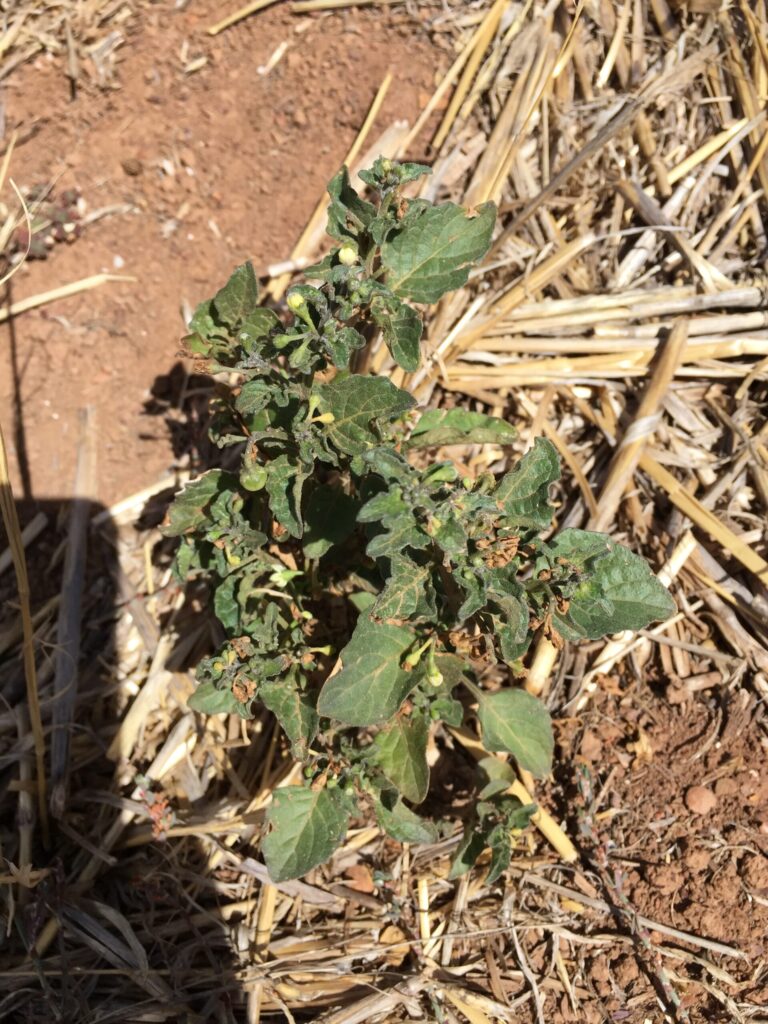
Description:
Can grow to 80cm tall, with dark green, alternate, diamond-shaped leaves, undulating margin, and short hairs on both surfaces. It also has small white flowers with a yellow centre, which produces green berries that turn black as they ripen.
Control:
Good rates of Ester or Amine or a mix of Ester and Glyphosate. Tordon 75D is also a good option.
13. Wireweed
Also known as:
Hogweed

Description:
Hairless, wiry, ground-hugging sprawling plants that can grow up to 1m long stems with small, odd spear-shaped leaves and a deep tap root. Small pink to white flowers formed in dense clusters at the base of leaves.
Control:
Mixes of good rates of Glyphosate and 2,4D with an addition of a Group 14 spike or a Dicamba. Terrad’or is doing an excellent job as a Group 14 spike at this stage. The addition of Metsulfuron can help with residual activity. It can be a difficult weed to control.
14. Witchgrass
Also known as:
Tumblegrass, Ticklegrass
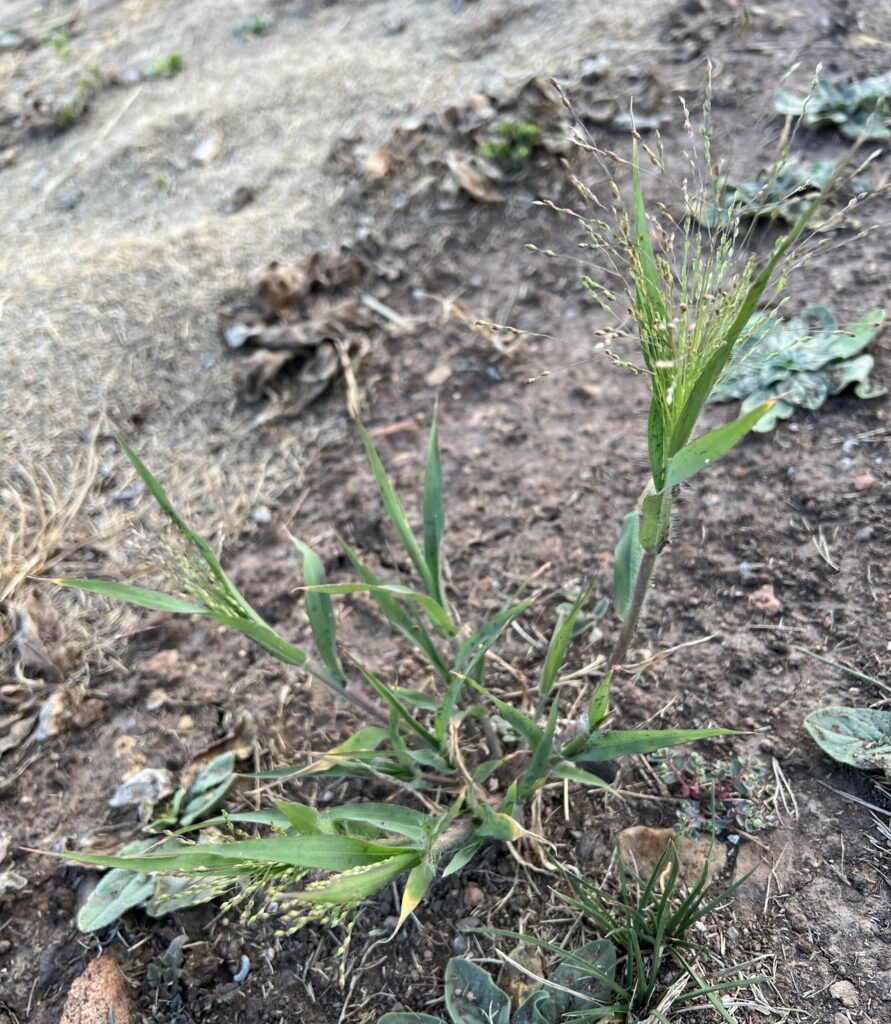
Description:
It can grow up to 20cm tall, with light green blade-shaped leaves. The top sheath opens up to a head where straw-coloured spikelets are enclosed that are about half the size of the plant – with large, wide, compound, open, much-branched panicle, 150-400 mm long and wide, which at maturity, will break off and blow around and cause a nuisance.
Control:
High rates of Glyphosate and good adjuvants.
15. STINKWORT
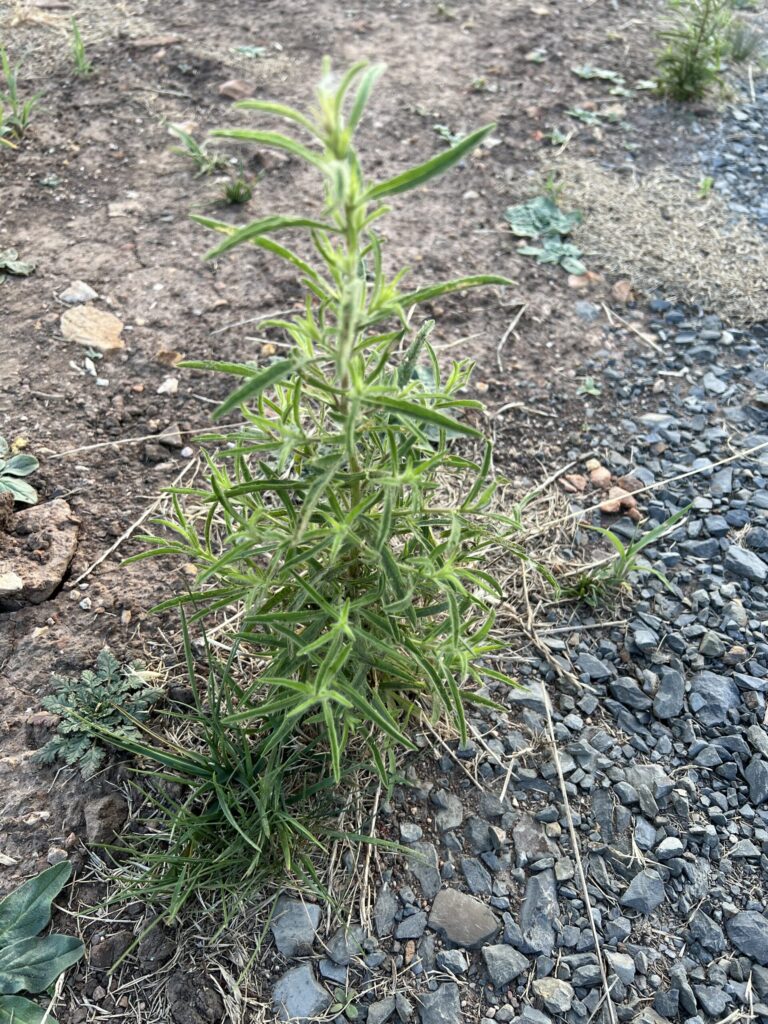
Description:
Under 1m tall, more or less conical, aromatic, erect, bushy weed that is sticky to the touch, with light green leaves that are simple with glandular hairs. Has small, fluffy, yellow to white flowers.
Control:
Amine/Ester 680 + Glyph mixes. Can add ally for residual.
BONUS Top tips:
- Ester 680 will be a stronger alternative to Amine in most situations. However, the use of Ester may be restricted in your area depending on buffer zones and local off-target crops. (Remember to stick to APVMA regulations if using these products).
- Mixes with Glyphosate will lose significant effectiveness when weeds are stressed, when a large amount of dust is present on plants, or throw up from sprayer tyres. In these situations switching to a Paraquat based brew may be more effective.
- As a general rule of thumb, Paraquat brews should be sprayed in low light evening conditions and Glyphosate job earlier morning.
If you want a more detailed overview of your pesky weed situation, give one of our agronomists a call.