Summer spraying with 2,4-D? Remember, the APVMA updated spray requirements on all 2,4-D and Group 4 products and you’ll want to ensure you’re spraying correctly. Play it safe, and take the time to understand and adhere to the rules. (We’ve summarised them again for you just in case).
Remind me again?
In case you’ve been living under a rock (possible, considering the last two years), new legal requirements apply to the use of Group 4 (old group I) herbicides over the summer.
And if you need a refresher on what herbicides are in Group 4, click here.
So what do I need to do with my spray equipment and practices?
Equipment:
- Use nozzle types and operating pressures to produce very coarse spray droplets or larger. Basically, we recommend making things simple, and the easiest option is to swap your nozzles over to ones that will produce Ultra Coarse (UC) droplets. That way, you are completely covered in all areas. Moreover, Ultra Coarse droplets (combined with high water rates) will minimise spray drift and improve droplet survival on targeted weeds. Then you can swap nozzles back over for pre-em spraying. Let’s face it, we just have to get used to having two sets of nozzles.
- Booms should be only 50cm above the top of weeds for a 110˚ nozzle at 50cm boom spacing.
- Do not spray at an application speed over 18km per hour.
Spray timing:
- Spray during the day when possible.
- Do not spray 1½ hours before sunset or until 1½ hours after sunrise, unless there is no surface temperature inversion. (The Mesonet (click here) network is a fantastic technology that can help inform you if an inversion is happening near you. However local data is always best.)
Environmental conditions:
- Do not spray under inversion conditions.
- Check for inversion warnings or signs of inversions before spraying and stop spraying immediately if a surface temperature inversion or any other unsuitable conditions develop. (Check out our article on inversion layers here.)
- Spray when the wind is blowing away from nearby susceptible plants, crops, houses and towns.
- Spray Group 4 herbicides during the day when winds are between 3 to 20km per hour and when there is no surface temperature inversion.
- Do not spray 2,4-D and MCPA products when there is little or no wind or variable winds.
Monitoring and record-keeping:
Note all of the following:
- Monitor and record application details and weather conditions at the start and the end of spraying.
- The date, start time and finish time of application.
- The location where the application was made.
- Product names and application rates.
- Crop or situation and the area treated.
- Spray quality or droplet size applied.
- Spray pressure, nozzle brand, nozzle type, flow rate.
- Weather conditions e.g. wind speed, wind direction, temperature, relative humidity and delta T.
- Name, address, and contact number for property owner.
- Name, address, and contact number for applicator.
- If you already record all of these, then good job! You are on the right track.
And in case that’s all too much, just think SUMMER:
S – Sunset and Sunrise Buffer of an hour and a half
U – Ultra Coarse nozzles are the go
M – Move Low – boom to 50cm above weeds
M – Move Slow – under 18km/hr
E – Environment – check wind, weather and avoid inversion layers.
R – Record Everything – note all details.
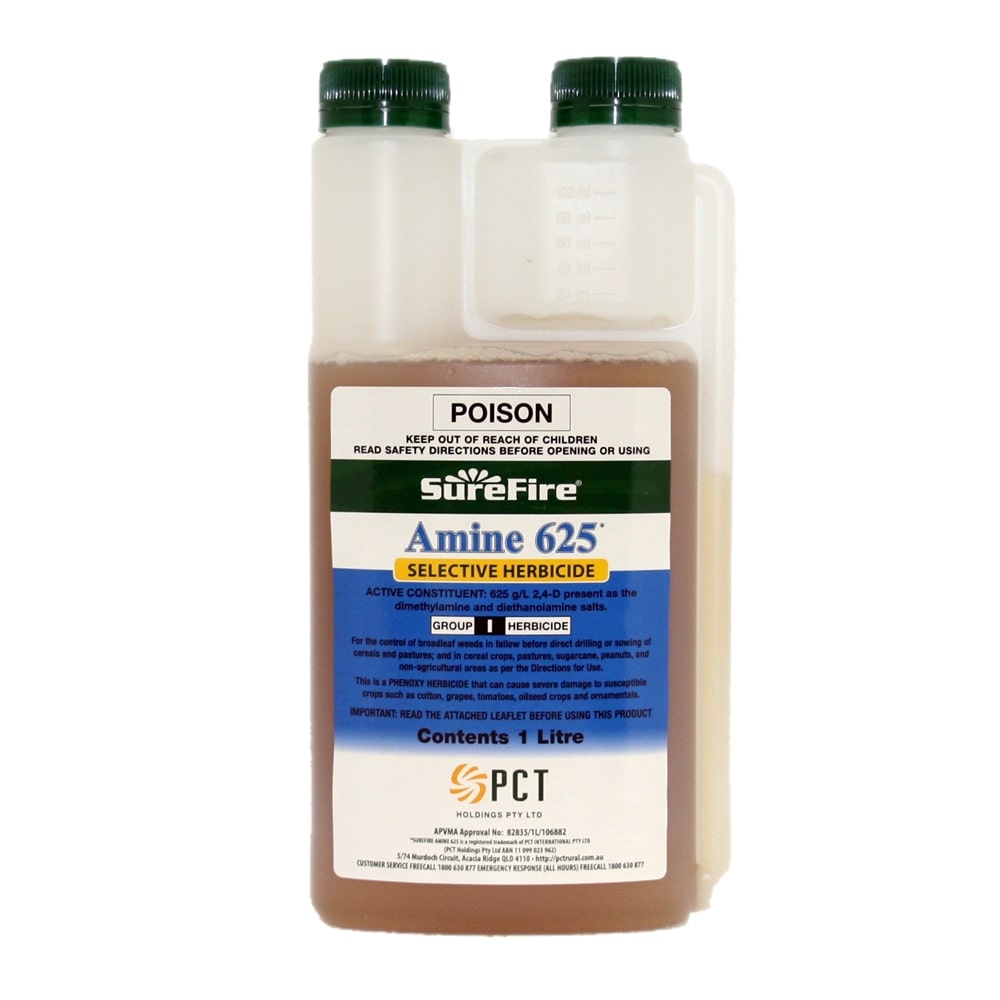
If these measures don’t reduce spray drift issues then the next likely step for the APVMA is to suspend 2,4D products entirely.
Please remember it is essential to follow these regulations and cover your backside by recording all spray details, including boom height above ground and height above target weeds.
Call our agronomists for more information.