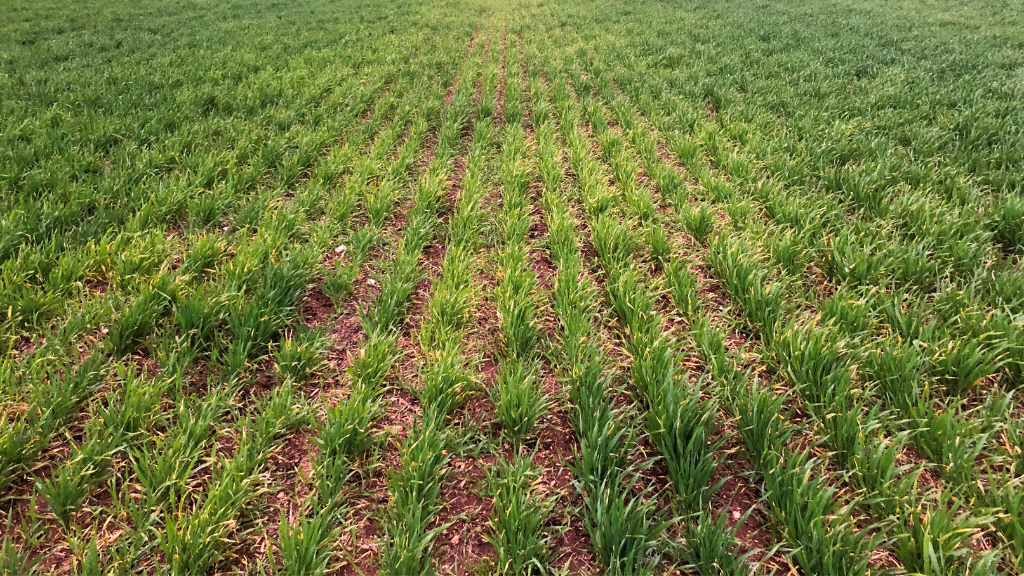
Why do we tissue test? Suppose you are doing soil testing during the summer months. In that case, you are off to a good start by knowing what levels of macronutrients are in your paddock, including Nitrogen, Phosphorus, Potassium, Calcium, Magnesium and Sulfur. However, research has shown that these tests might not always be as accurate for trace elements, such as iron, manganese, zinc, copper, boron and molybdenum. All of which are necessary for crops to perform and yield their best – but in the right concentrations. Therefore, we like to tissue test plants as it gives a better understanding of where the plant has deficiencies, toxicities or imbalances of nutrients.
Most growers wait until there are already visual symptoms of deficiencies or imbalances in the crop before they test to diagnose the problem. But it’s not a bad idea to test key crops before symptoms appear. This way, you understand what is going on inside the plant so that you can correct any issues before they become major and cause plant stress.
Remember, if you’re waiting to see visual symptoms of deficiencies, you’ll be losing yield.
But in case paddocks are looking a little off, and you want to look for clues as for why – here are a few examples of what each deficiency will look like in the crop.
Nitrogen:
Nitrogen is mobile in the plant and when deficient will be removed from older leaves to be put into the new growth, resulting in deficiency symptoms in older leaves. This means symptoms will usually appear on the older lower leaves. Symptoms include leaf yellowing and reduced growth and in real bad cases the whole plant may turn yellow and then die.
Phosphorus:
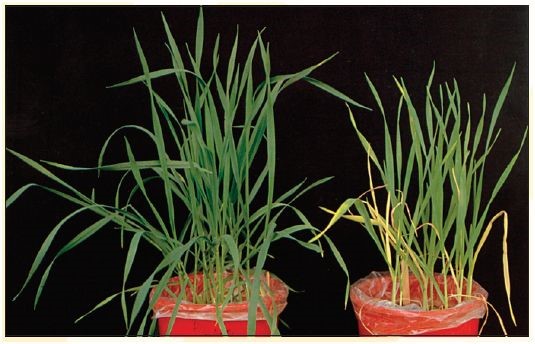
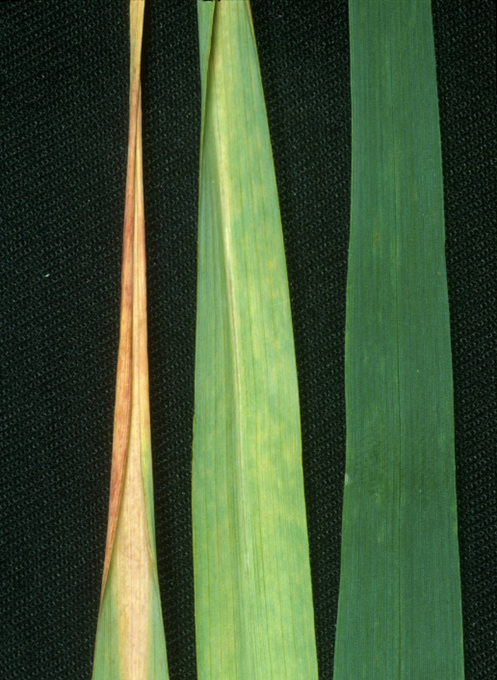
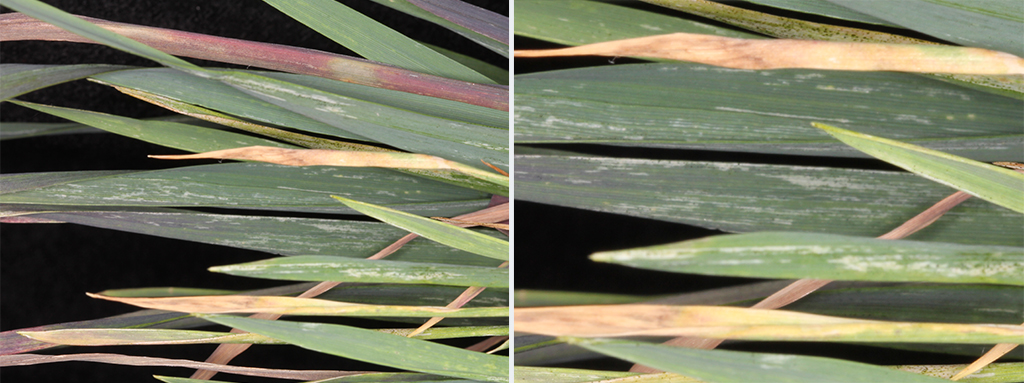
Phosphorus is also mobile within the plant, so again will first be seen on older leaves. The leaves will become purple or reddish in colour, as well distorted or dead areas on the leaves.
Potassium:
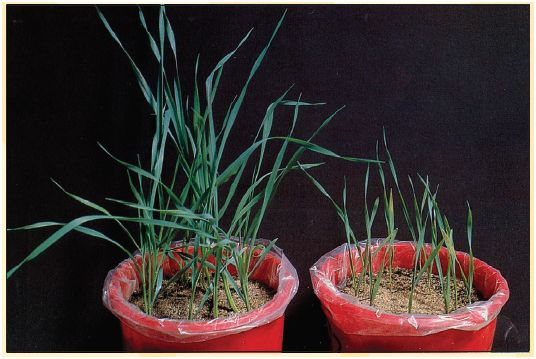
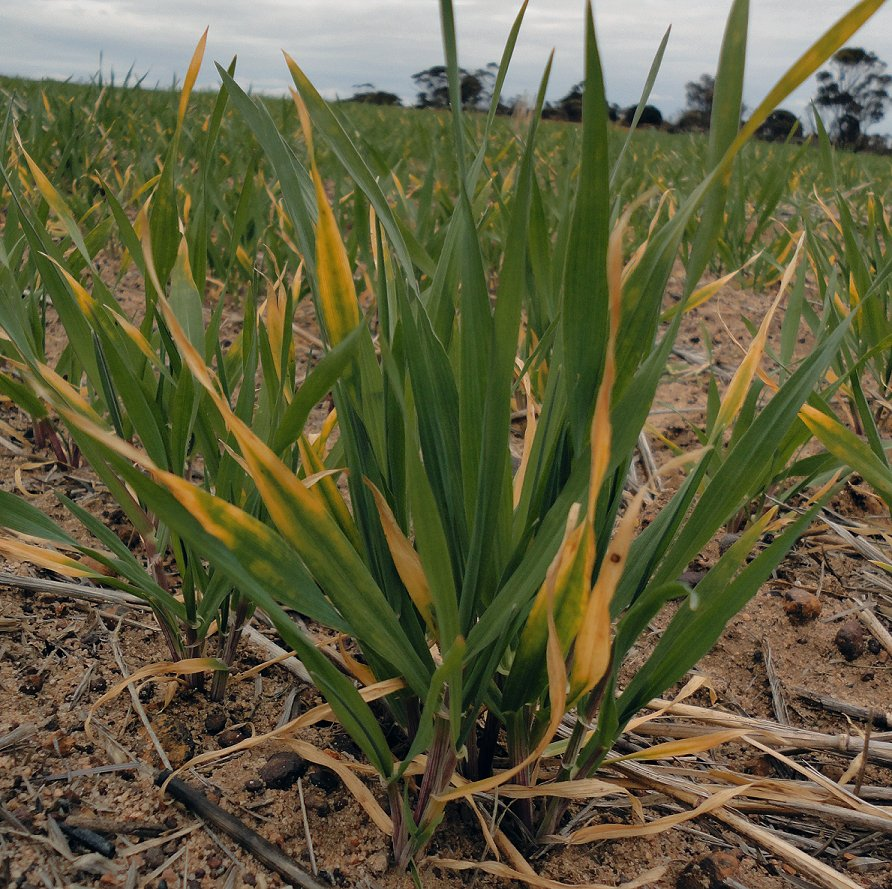
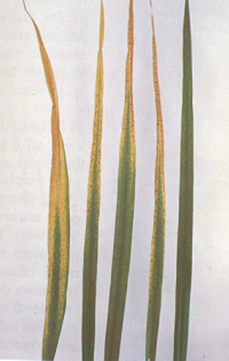
Potassium deficiency affect many aspects of plant physiology and biochemistry, in particularly disturbing water economy of the plant and slowing growth and increasing respiration. And again, potassium is a highly mobile nutrient, so symptoms will first show in the older leaves. The leaves become light yellow-green and, later a marginal ‘scorch’ of the edges and the tips of the lower leaves.
Magnesium:
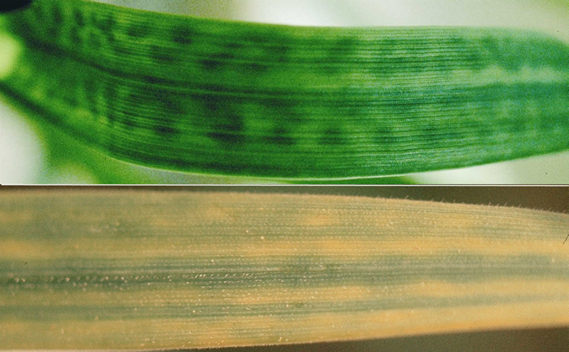
Magnesium is mobile within the plant, meaning that symptoms are generally seen on older parts of the plant. In most species’ symptoms appear as an interveinal yellow chlorosis of the lower leaves with leaf veins remaining green. This yellowing begins at the tip and margins and spreads towards the main vein.
Calcium:
Calcium is immobile in the plant phloem, so deficiency systems will appear in new growth. Symptoms of calcium deficiency include poor root growth, stunting, and a darkening root colour. Yellowing, blackening and death of growing points and leaf tips can occur.
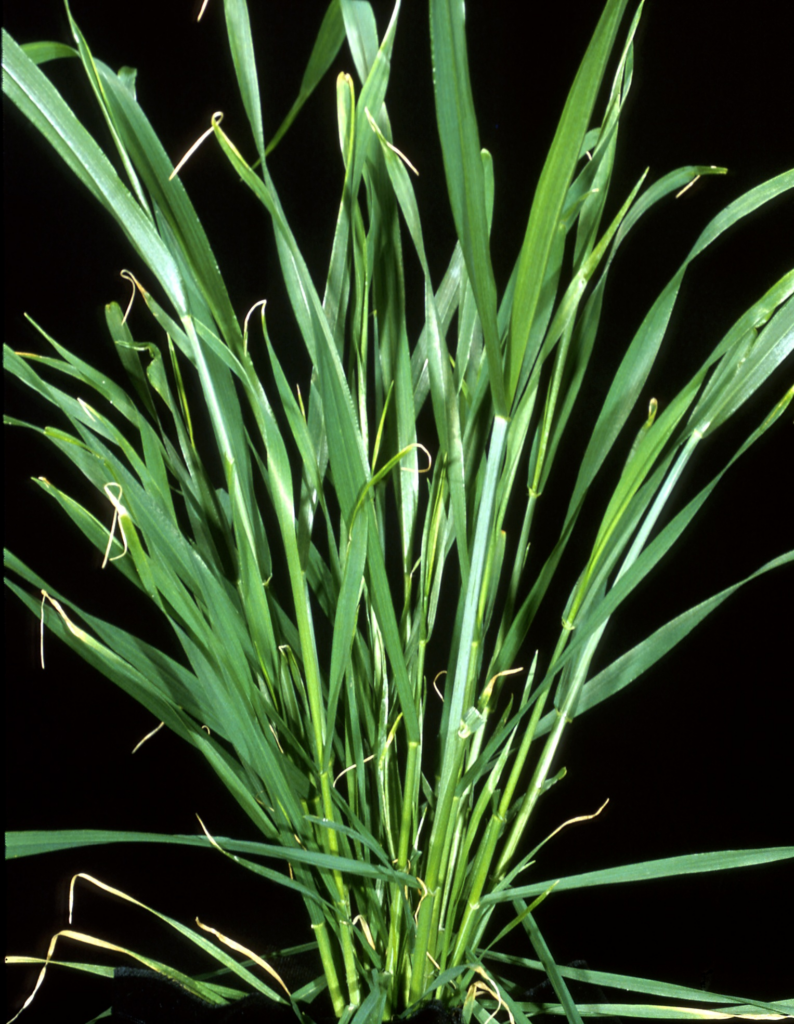
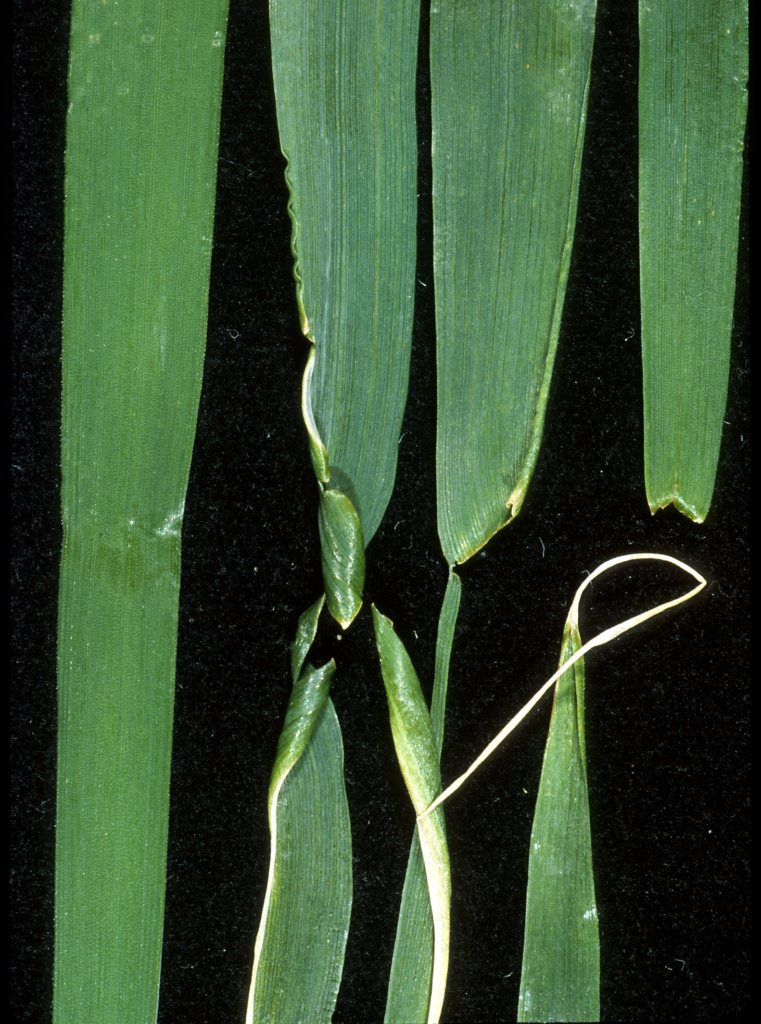
Sulphur: Sulphur is generally immobile in the plant phloem, meaning that Sulphur will not be readily mobilized from the lower leaves and translocated to the upper growing leaves. Symptoms will look like stunted growth and yellowing on the new leaves with a slight upward rolling of young leaves may occur.
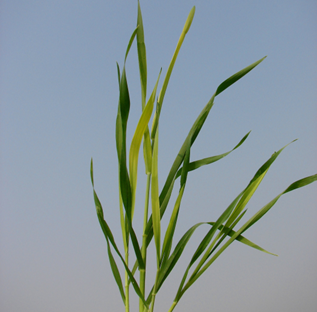
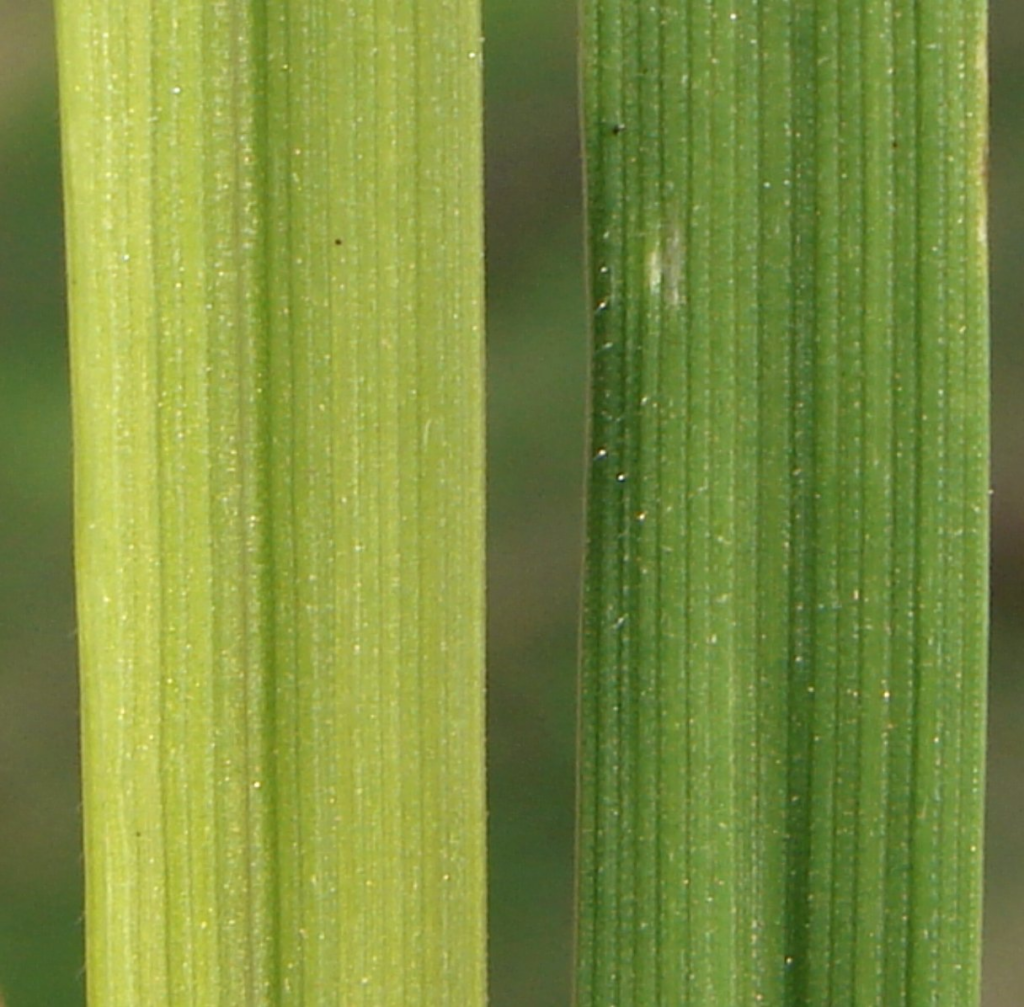
Iron:
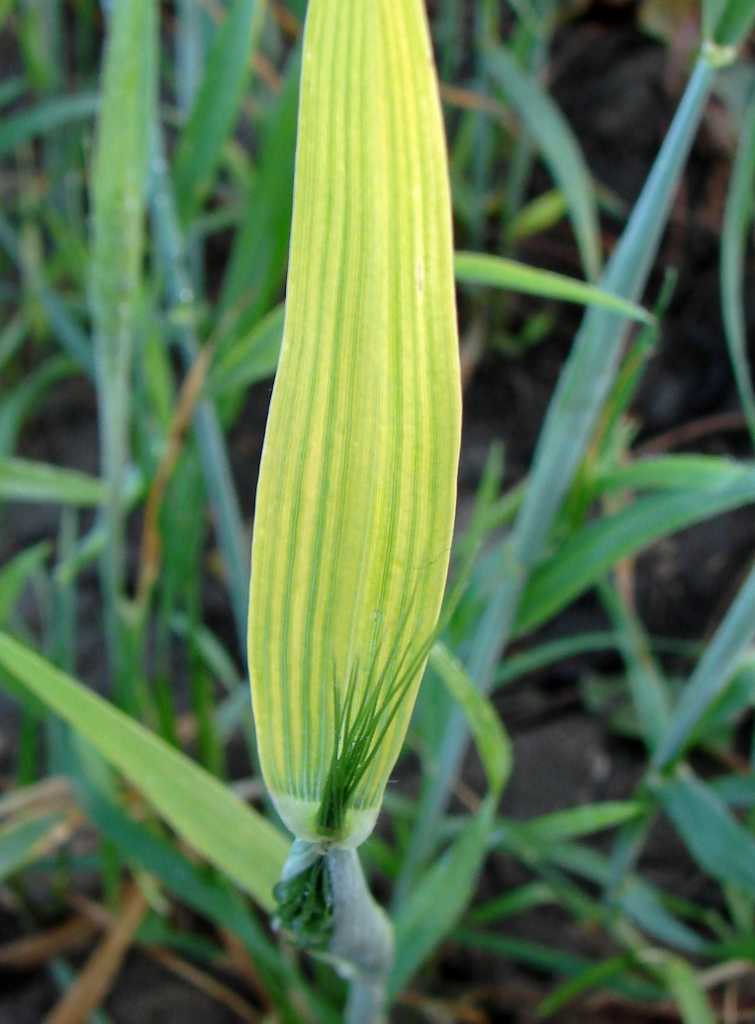
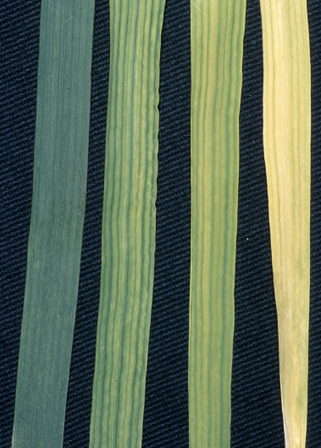
Iron deficiency is most often seen on young leaves because it does not move readily in the plant. The symptoms first appear between the veins on leaves while the veins remain green.
Boron:
Boron deficient plants exhibit brittle abnormal growth at shoot tips and one of the earliest symptoms is failure of root tips to elongate normally, these tips can become swollen and discoloured. Leaves can have various symptoms including drying, thickening, distortion, wilting and chlorotic or necrotic spotting.
Zinc:
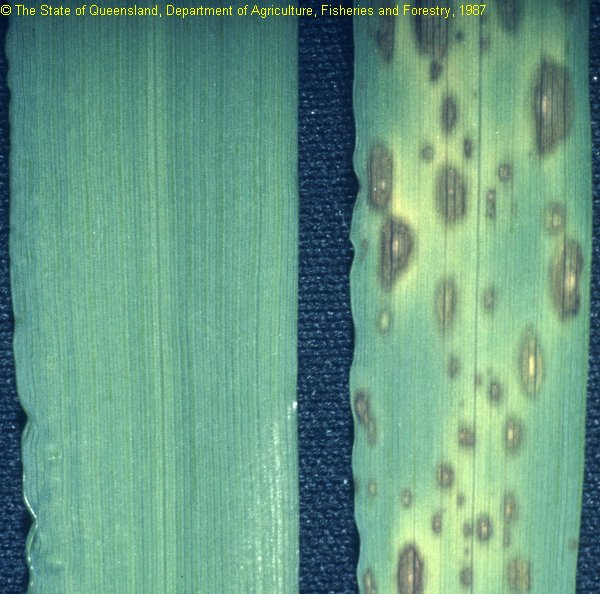
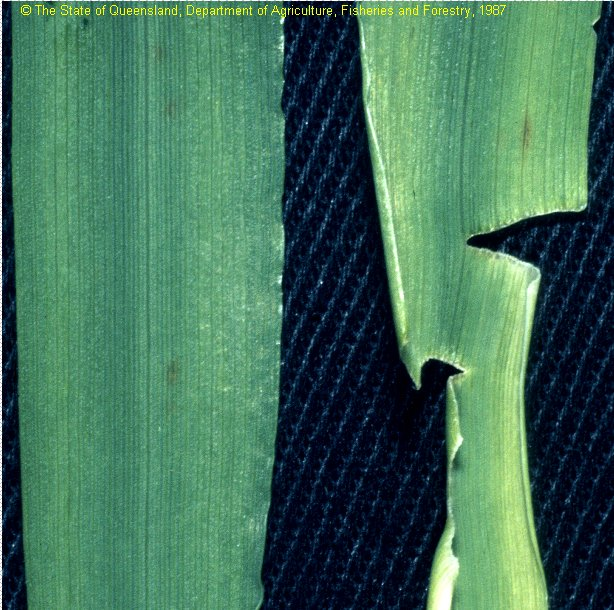
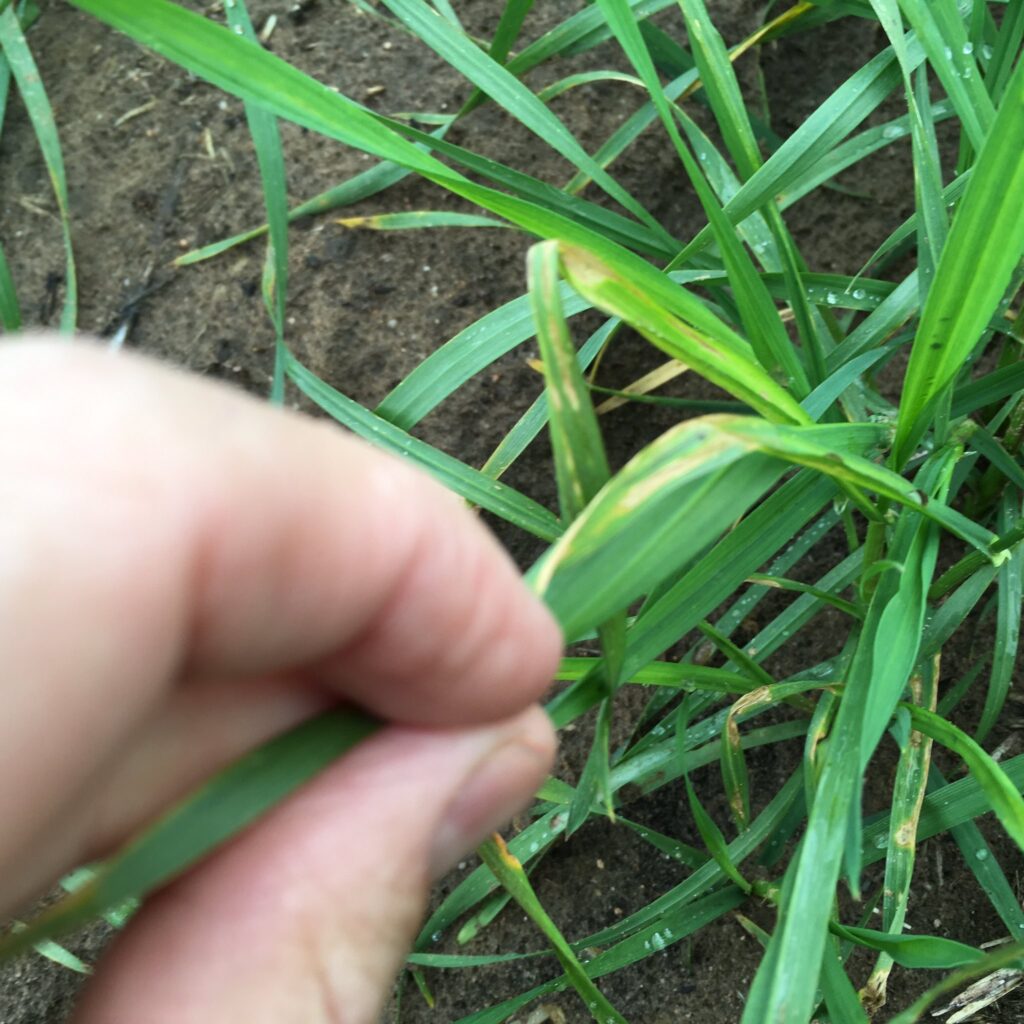
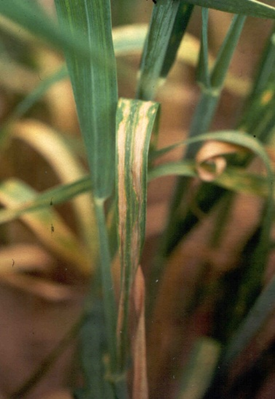
In grasses and cereals, symptoms generally appear in the center of middle-aged to older leaves and oily grey-green patches which become necrotic and gradually extend to the leaf margins. A change in the colour to greyish-green with interveinal chlorosis and necrotic spotting on upper leaf surfaces can also occur. Symptoms often appear in cool wet weather but disappear as the temperature rises in spring.
Copper:
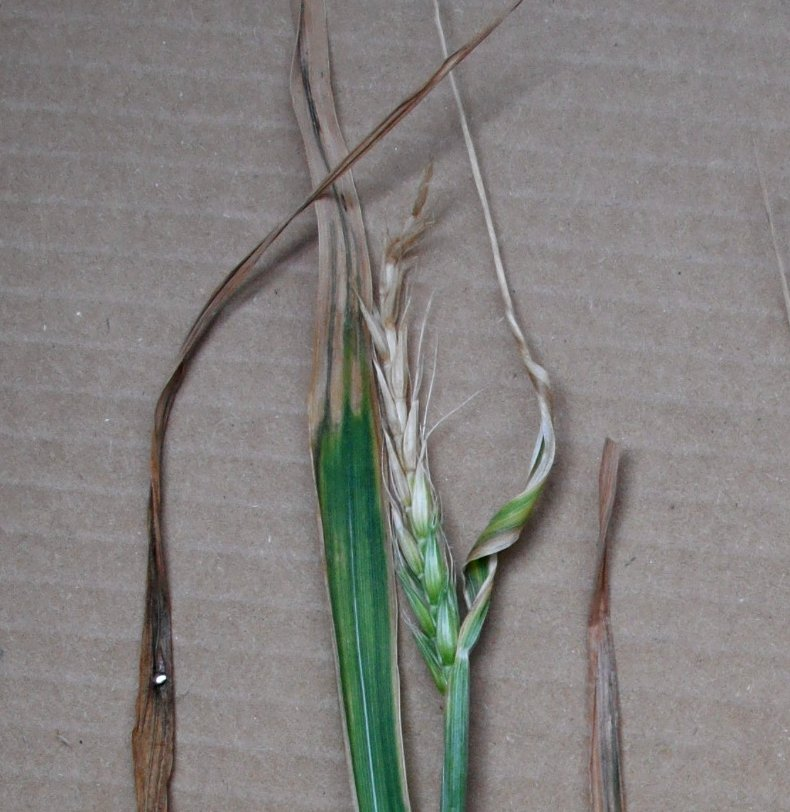
Copper is very immobile in the soil and is held strongly by organic matter and on clay colloids, meaning it is not very available to plants. Symptoms will vary on the crop; however younger leaves will usually be worst affect. The plant may wilt and lack firmness, as well as leaf rolling, bending and crinkling can be seen. In cereals leaf tips turn light green to cream in colour.
Manganese:
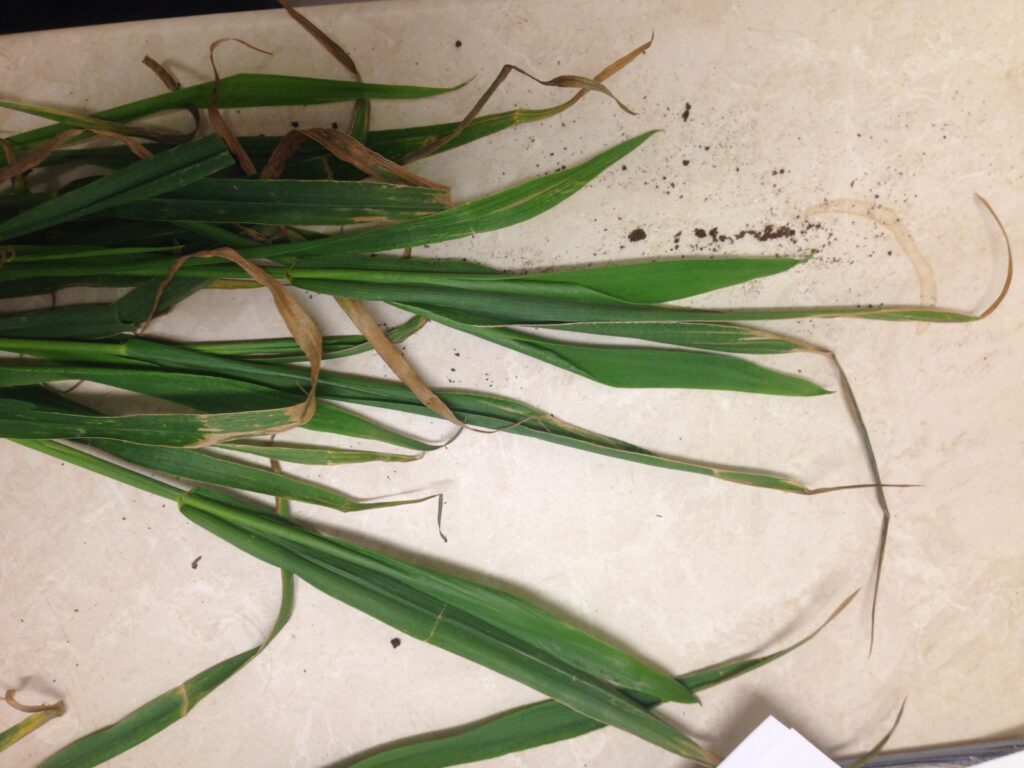
In wheat and Barley deficiency commonly appears wilted or flaccid, with the younger leaves showing these symptoms first. Interveinal chlorosis appears at first and leaf colour rapidly changes to pale yellow. White or grey flecks appear at the base of the leaf and eventually the leaf may die. Manganese is more mobile in oats so the first symptoms will be grey flecks on mature leaves, eventually joining into lesions and then turning pale brown while collapsing.
Molybdenum:
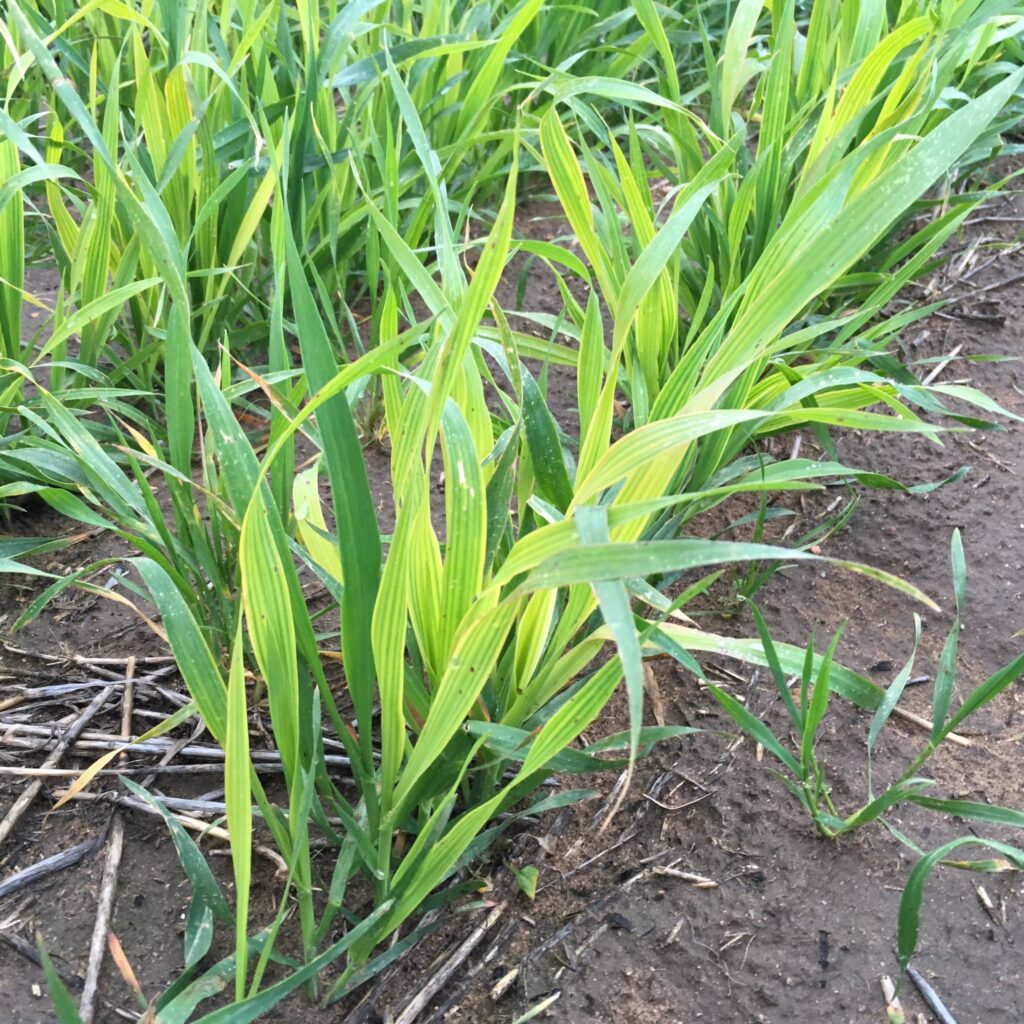
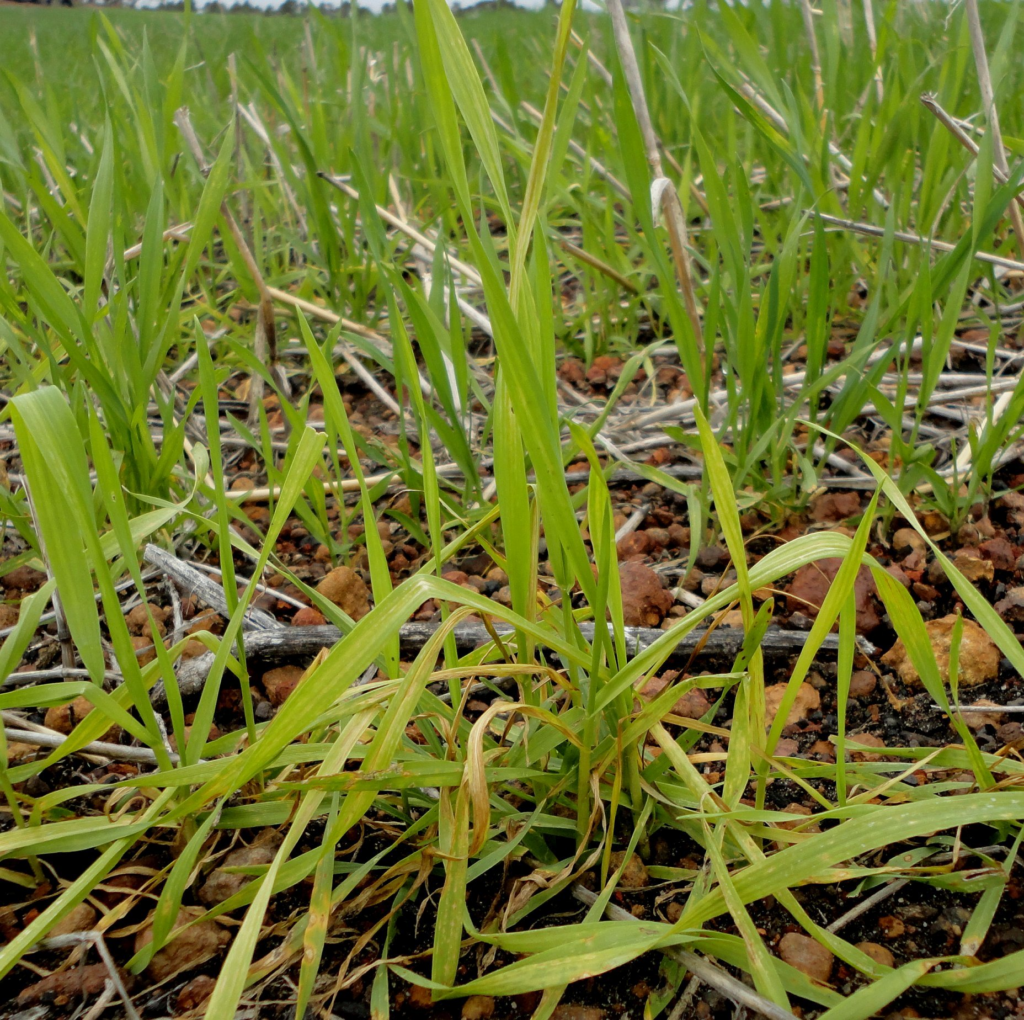
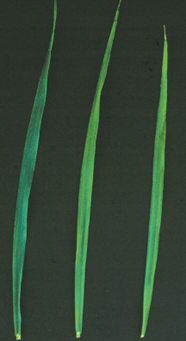
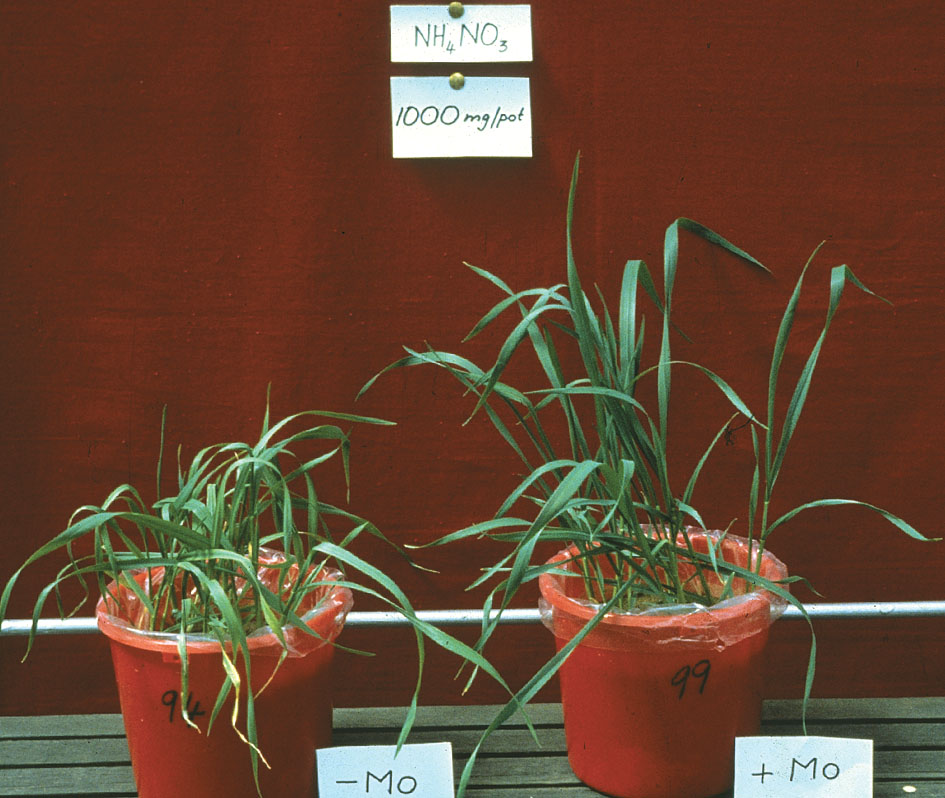
Legumes will show deficiencies as general paleness and stunted growth, which are similar to the symptoms when nitrogen is deficient. The nodules will be green or pale lacking in their red pigment. Canola plants are less tolerant to deficiencies and will show leaf distortions. In wheat leaves will be pale and may have necrotic areas, this can be patchy across a paddock.
If you need a hand diagnosing any of these symptoms, or would like to book a tissue test – get in touch with our agronomists today.