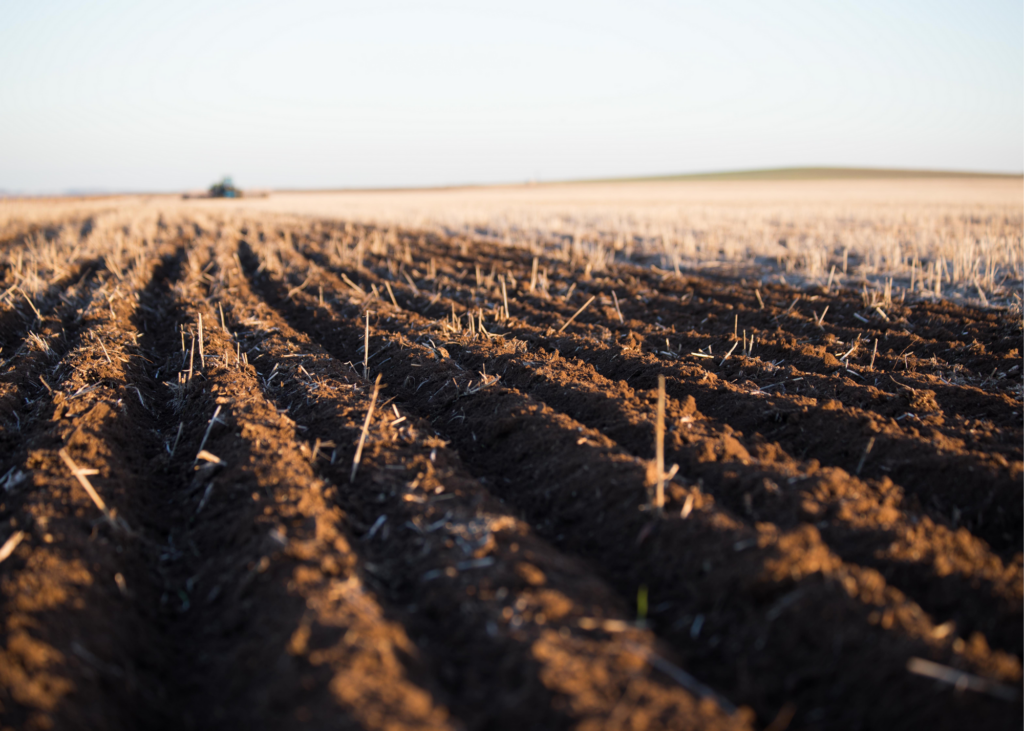
How to check mice numbers in your paddock.
Did you know that if there are high numbers of mice in your paddocks, they could cause up to 5% damage, per night, per crop? Our modern farming systems of no-till and stubble retention could be part of the reason why we are seeing high mice numbers throughout the year. Rather than the build-up and crash of plague numbers, we are seeing more stable, but constant, population growth.
Because of the dry conditions and lack of food, we don’t believe mice numbers will be an issue for the upcoming season. But, it’s still going to be important to monitor numbers just in case a problem does arise.
Below, are two easy processes you can use to get an idea of what is going on in your paddocks.
The first is counting active holes.
Walk a transect of 100 metres across a paddock, counting active holes in a 1-metre wide strip. One burrow per 100m walk would equal up to 100 burrows per hectare. Hole counts will vary by soil types. In sandy soils, mice may dig many holes in search of seeds, and these could look similar to nesting burrows. In hard-setting soils, there may be fewer holes, yet they may contain more mice. In cracking soils holes can be hard to identify. To get an idea on activity, sprinkle some talcum powder around a few holes, then go back the next morning to check the level of disturbance.
The second is using chew cards.
Another way to test activity is by using mouse chew cards. Cut some sturdy paper or light card into 10cm x 10cm squares, mark each square with a 1cm grid. Then soak these cards in canola or linseed oil. Place the soaked cards randomly across a paddock, and peg them to the ground. Check the next morning. If more than ten squares have been eaten or chewed on a card overnight, a large mice population is emerging. If there are more than 20 squares per card in immature crops, then there is already a significant problem.
If mice levels are high, we recommend spreading a zinc phosphide bait. It is best practice to bait at the time of sowing, or within 24 hours to protect the recently sowed crop. Mice damage will be the most severe for about two to three weeks after crop emergence, and again around seed-set.
If you believe you have a problem, see us today for our range of mouse baits, chew cards or any other information on monitoring mice levels and when to bait.