Are you applying lime to your paddocks this summer? You could be doing more good than you think! Turns out, liming a paddock can help reduce weeds by improving crop competition.
A long-term study by the Western Australian Department of Primary Industries and Regional Development (DPIRD) indicates that improving paddock soil acidity may also increase wheat’s competitiveness against annual ryegrass.
Crop competition is the key. DPIRD did the study experiments in the Merredin and Wongan Hills shires in WA. And their main finding? Correcting soil pH gives crops the competitive boost they need to outperform weeds.
For instance, have you noticed how ryegrass sometimes blowouts in your crops when they’ve been struggling? Ryegrass is great at capitalising against poor crops. Actually, both ryegrass and wheat will perform poorly in low pH soils, but ryegrass has the upper hand when it comes to competition. Ryegrass grows best in the same pH range as crops. However, wheat can get the upper hand and outcompete weeds when soil acidity is corrected. (Another side benefit is, as ryegrass is growing in its ideal conditions, it will more readily take up herbicides.)
So, what’s the best method? Well, it seems incorporation is the way to go for the quickest results. Surface lime applications can take years to have a quantitive effect on soil pH at depth. Applying and incorporating lime is the speediest way to increase the pH of acidic soils. Plus, it also releases other soil nutrients to boost crop growth and buries weed seed deeper, potentially stopping germinations. (Annual ryegrass loves to germinate from depths of 1 or 2cm and usually can’t emergy from 10cm or more. But remember, even when buried, seed can still pop up after the next sowing operation and germinate. So please don’t consider it dealt with just because it’s buried).
Unfortunately, applying lime is not usually a ‘one-and-done’ scenario. Reacidication is common, and an ongoing program will benefit soil health and give crops a competitive edge over weeds.
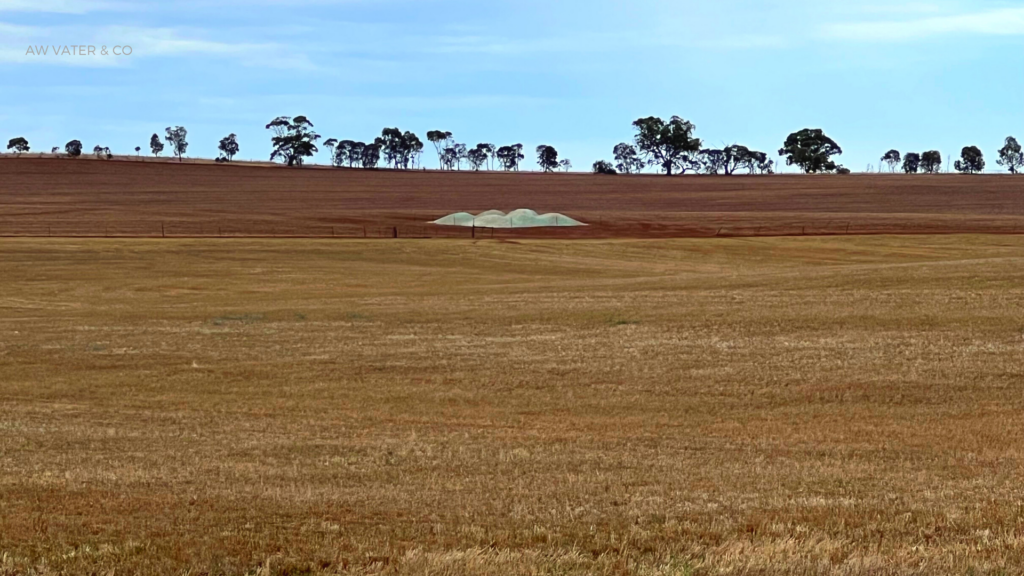
See images below:


Source: WeedSmart
So, what are the main takeaways?
- The application of lime in acidic soils improves not only soil pH but also the crop’s competitive ability against annual ryegrass.
- The study found the application of lime in previous years reduced ryegrass density, biomass, and seed production in wheat crops.
- Lime increased wheat tiller number and, at one location, increased yield.
- It’s a great practice – remember, an ongoing program is likely to be beneficial to maintain the crops competitive edge.
For more information, check out WeedSmart’s article on the study here.
By Rachel Oehme