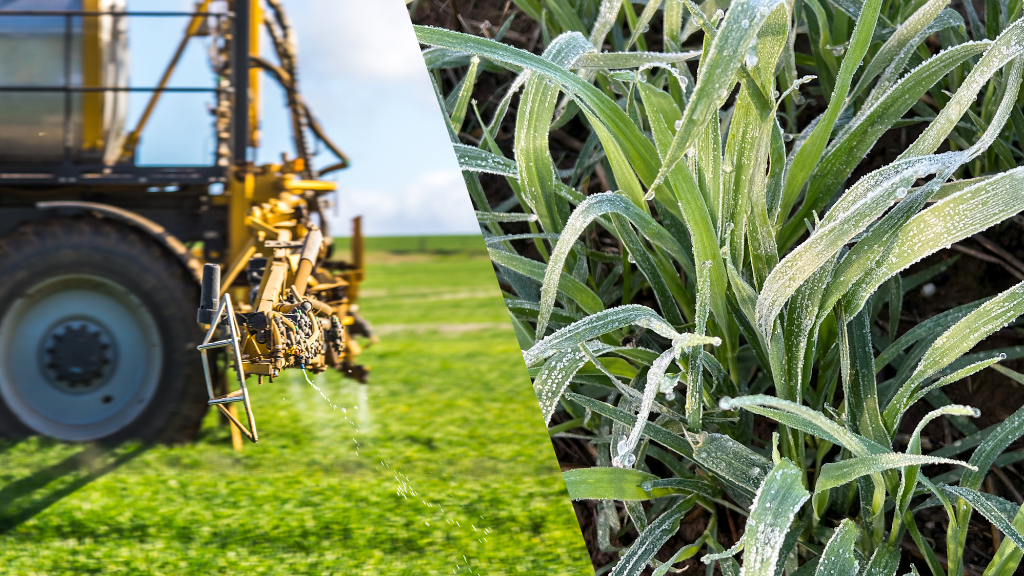
Spraying around a frost? You’re not alone if it makes you a bit uneasy. It’s always a tough call — do you wait it out or get the job done? The answer depends on a few things: how badly the frost hit, how long it takes the weeds to bounce back and whether your herbicide will still be effective on stressed plants.
Winter weeds are pretty frost-tolerant, but even they need time to recover. The golden rule? Only spray when weeds are actively growing. After a frost, they’ll shut down for a bit, and spraying during that window can mean wasted product and patchy control.
Why wait until weeds are active again after a frost?
1. Plant Metabolism Slows Right Down
After a frost, plants go into recovery mode. Their metabolism drops, and they’re less active, which means they’re not absorbing herbicides effectively. Systemic herbicides like glyphosate, clethodim, butroxydim, and haloxyfop rely on active movement through the plant, which is compromised under cold stress.
2. Damaged Leaf Tissue = Poor Uptake
Frosted leaves can be damaged or water-stressed, with waxy coatings or dead tissue that affects contact and absorption and hence stops the spray from penetrating properly. Also, water inside plant cells freezes during a frost, and then when temperatures rise it expands and bursts the plant cell. This damage is what prevents uptake. Hence, the minimum temperature is important, but also how quickly the temperature rises after a frost.
3. Timing Is Everything
- Spraying too soon after a frost? You risk poor results — the plant isn’t ready to absorb the chemical.
- Spraying too late in the day (after a frost)? The plant might’ve already closed down again for the afternoon if it’s cold or cloudy.
4. Grass Weeds Are Especially Sensitive
Grasses tend to be more frost-sensitive than broadleaves, meaning they get stressed quickly, and stressed grass = hard-to-kill grass. Their narrow leaf area then also gives you less surface area for herbicide to stick to.
So what do you do?
Tips for Better Frost-Season Spraying:
- Wait before spraying, ideally when plants look perky again – a simple rule of thumb:
- 1 frost = wait 24 hours
- 2 frosts in a row = wait 48 hours, and so on.
- Spray mid-morning to early afternoon when plants are metabolically active.
- Choose products that work well in cooler conditions — or adjust rates/adjuvants if the label allows.
What About Higher Rates?
Even with high rates, herbicide performance can drop off after frost if you’re timing isn’t right. For example, clethodim used before or soon after a frost can have little to no effect, even at rates as high as 4L/ha. That’s one reason you might see some odd patches in your paddock.
How To Get The Best Out Of Clethodim?
- Spray small, actively growing ryegrass
- Avoid frosty conditions
- Use warmer days to your advantage
- If you have to spray after a mild frost, consider upping the rate (within label limits)
Fun fact – studies have shown that even in ideal conditions, up to 70-98% of clethodim ai remains in the leaf close to the site of entry and does not make it to the growing point where it is needed to kill the grass. That being said, the active works incredibly well when it does get through to where it’s needed. This is why spraying in good conditions is so important.
So, before you hit the paddock, keep an eye on the weather and give those frosted weeds a bit of time to recover. A little patience can mean a much better result.
Call our agronomists a call if you’d like more information.